
Tax Defense ✦ New Mexico
IRS Problems Don’t Fix Themselves. We Fix Them.
Audits, back taxes, levies, garnishments, unfiled returns: North Star Law Firm defends New Mexico taxpayers in federal tax matters before the IRS and the U.S. Tax Court, and assists with New Mexico Taxation and Revenue Department administrative matters. Led by an attorney-CPA. Flat fees. Free consultation.
Overview
What does tax defense representation include?
Tax defense is the professional representation of a taxpayer against a government tax authority before the examination division, the collection division, the IRS Independent Office of Appeals, and, when necessary, in the U.S. Tax Court. When you retain North Star Law Firm, we file a power of attorney, take over communication with the government, analyze your IRS account transcripts to establish exactly what is owed and why, and then execute the resolution strategy that fits your facts.
Know Your Deadline
Which IRS notice did you get?
The letter code in the top corner tells you exactly where you are in the IRS machine, and how long you have to act. Find yours below, and bring the notice to your free consultation: it tells us most of what we need to know.
| Notice / Letter | What it means | Your window |
|---|---|---|
| CP14 | First bill for a balance due | 21 days before interest-driven escalation continues |
| CP501 / CP503 | Reminder notices; the collection clock is running | Respond before the next escalation |
| CP504 | Notice of Intent to Levy; the IRS can take your state tax refund | Act now; the final notice is next |
| LT11 / Letter 1058 | Final Notice of Intent to Levy, the last stop before wage and bank levies | 30 days to request a collection due process hearing (I.R.C. § 6330) |
| Letter 3172 | Notice of Federal Tax Lien filed against your property | 30 days to request a CDP hearing on the lien |
| CP2000 | Proposed changes; reported income doesn’t match your return | 30 days to respond before the IRS assesses |
| Letter 525 / 915 | Examination report with the audit’s proposed results | 30 days to protest to the IRS Independent Office of Appeals |
| Letter 3219 / CP3219 | Statutory Notice of Deficiency, the “90-day letter” | 90 days to petition the U.S. Tax Court. Do not miss this one. |
Representation Matters
What changes the day you have representation?
The day we file Form 2848, the IRS is required to deal with us instead of you. The calls stop coming to your phone. We pull your account transcripts through the practitioner line and reconstruct exactly what the IRS thinks you owe (tax, penalties, interest, and the assessment dates that control your options) before anyone talks numbers.
Then the leverage shifts. Revenue officers follow the Internal Revenue Manual; we know what it lets them accept. Collection alternatives are computed under the IRS’s own financial standards, appeal rights are preserved at every step, and when the government is simply wrong, the case goes to Appeals or the U.S. Tax Court, where the taxpayer wins more often than people think.

The IRS has 80,000 employees. You only need one advocate who knows the rules.
How do I stop an IRS wage garnishment or bank levy?
The fastest way to stop an IRS levy is to get into a resolution posture: once you are in a pending installment agreement, a pending offer in compromise, or currently-not-collectible status, levy action generally stops. If the IRS issued a Final Notice of Intent to Levy, you have 30 days to request a collection due process hearing under I.R.C. § 6330, which pauses collection while your case is heard by the Independent Office of Appeals. If a levy is already active and creating economic hardship, the IRS can be compelled to release it. Every one of these paths moves faster with a representative who knows which lever to pull.
Do I qualify for an offer in compromise?
You qualify to settle for less than you owe when your “reasonable collection potential” (net equity in assets plus a multiple of your monthly disposable income) is less than your balance. That is a math problem before it is a legal one, and it is exactly where an attorney-CPA earns the fee: we compute your RCP under the IRS’s own financial standards first, so you know whether an offer is realistic before applying. When an offer isn’t the right tool, an installment agreement or partial-pay installment agreement often is.
Can IRS penalties be removed?
Frequently, yes. First-time abatement is available administratively if you have a clean three-year compliance history. Beyond that, penalties can be abated for reasonable cause (illness, disaster, reliance on professional advice, records beyond your control) under the standards of I.R.C. § 6651 and related provisions. Interest on abated penalties falls away with them, so penalty work often shrinks a balance meaningfully.
What if I haven’t filed returns in years?
You are not the only one, and there is a well-worn path back. In most cases the IRS looks for the last six years of returns to consider you compliant. If the IRS filed substitute-for-return assessments for you under I.R.C. § 6020(b), those returns ignore your deductions, exemptions, and correct filing status, so filing accurate originals usually reduces the assessed balance, sometimes dramatically. As a CPA-led firm, we prepare and file the back returns and negotiate the resulting balance in one engagement.
What happens if the IRS audits me?
An audit is a process with exits at every stage. Most audits are correspondence exams handled entirely by mail; office and field exams go deeper. You never have to face the examiner alone; with a power of attorney on file, we attend in your place. If we disagree with the proposed changes, we take the case to the IRS Independent Office of Appeals, and if the government still gets it wrong, a timely petition to the U.S. Tax Court lets you contest the deficiency before paying it.
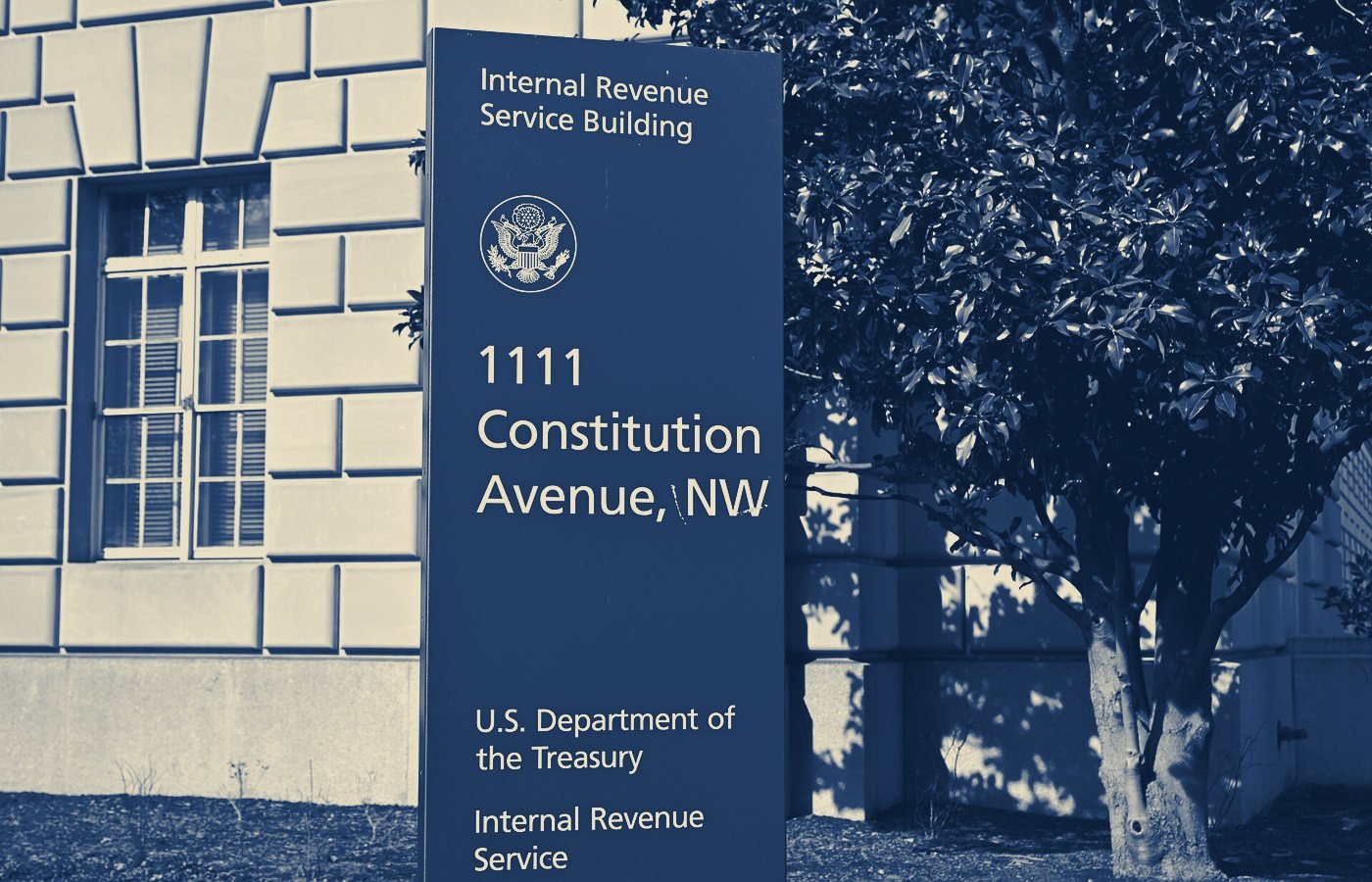
The Attorney-CPA Difference
Tax defense is a numbers fight and a law fight. We fight both.
- IRS transcripts analyzed like a CPA: the real balance, the real deadlines, the collection statute expiration date
- Negotiation and litigation handled like a lawyer: CDP hearings, Appeals conferences, Tax Court petitions
- Attorney-client privilege protecting what you tell us
- Flat fee quoted in writing before you commit, with payment plans available
Proof, In Print
He wrote the book on tax defense. Literally.
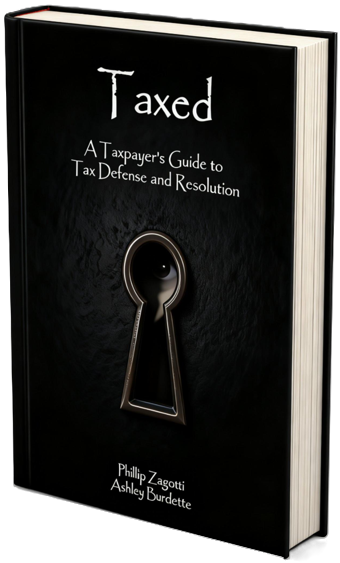
Phillip Zagotti co-authored Taxed: A Taxpayer’s Guide to Tax Defense and Resolution with Ashley Burdette, a plain-English guide to audits, IRS collections, and the resolution tools described on this page. If you want to understand your situation before you call anyone, or you’d rather work the problem yourself first, start with the book. When you decide you want a professional in your corner, the consultation is free.
Questions & Answers
Tax defense questions New Mexicans ask us
How fast can a levy or garnishment be stopped?
Sometimes within days. Once we file a power of attorney (Form 2848), we can contact the IRS directly, request a hold on collection, and negotiate a resolution. If a collection due process window is still open under I.R.C. § 6330, filing the request generally stops levy action while the hearing is pending.
Will the IRS settle my tax debt for less than I owe?
Only when the numbers support it. An offer in compromise under I.R.C. § 7122 is accepted when the offer equals or exceeds your reasonable collection potential, a formula based on your assets and future income. As a CPA, I run that calculation before you spend a dime chasing a settlement you can’t get, and pursue it aggressively when you can.
I got a Notice of Deficiency (90-day letter). What now?
Do not ignore it. You have 90 days to petition the U.S. Tax Court, a prepayment forum where you can contest the tax before paying it. Miss the deadline and your options narrow dramatically. Call immediately.
Can you help with New Mexico gross receipts tax audits?
Yes. We assist New Mexico businesses through Taxation and Revenue Department gross receipts tax audits and assessments in the administrative process, including protest filings and settlement negotiations. Deadlines to protest a New Mexico assessment are short, so contact us as soon as you receive one.
Stop letting the IRS set the terms.
A free, confidential case review with an attorney-CPA, and a flat fee in writing before you commit.