
A Chapter 7 case filed in Los Angeles in February 2011 is still open in 2026. The debtor lost his discharge, a judgment creditor fought his homestead exemption for most of a decade, the debtor died, and the creditor then sued the trustee personally. On May 7, 2026, the en banc Ninth Circuit revived that suit in Phillips v. Goldman (In re Gilman), 176 F.4th 1152.
So how long does Chapter 7 take in New Mexico? Usually, the discharge arrives three to four months after the petition. A case runs long only when one of four clocks is reset, missed, or left unattended: the exemption objection window, the discharge deadlines, the trustee’s administration, and the rules for holding a trustee to account.
What did the en banc Ninth Circuit decide in Phillips v. Goldman?
The creditor, attorney Tammy Phillips, alleged that trustee Amy Goldman let two properties deteriorate and never went after rent the debtor was collecting. The lower courts held her immune from claims of ordinary negligence. The en banc court reversed. Judge Nguyen’s opinion separates two doctrines. Quasi-judicial immunity is absolute, but it reaches only functions “essential to the authoritative adjudication of private rights to the bankruptcy estate.” Derived immunity covers court-approved acts within the trustee’s authority, if interested parties had notice and her disclosure was candid. Collecting rent and preserving buildings is property-manager work, and no order approved the inaction, so neither applied on that record. Fault level is not the test, and a trustee without immunity can be personally liable for negligence under Mosser v. Darrow, 341 U.S. 267 (1951). Goldman’s certiorari petition, No. 26-315, is pending, with a response due October 13, 2026.
How long does Chapter 7 take in New Mexico when nothing goes wrong?
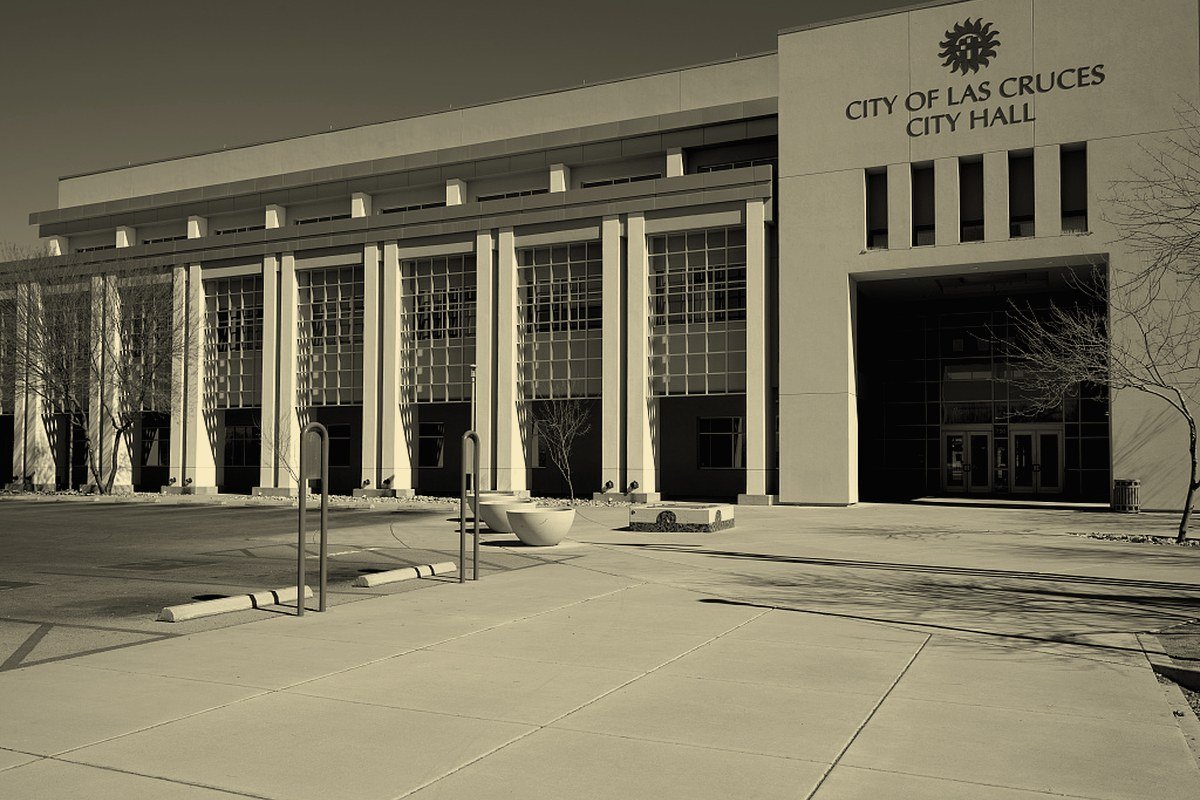
Take a Las Cruces nurse filing on Monday, November 2, 2026. Under Fed. R. Bankr. P. 2003(a) the meeting of creditors comes 21 to 40 days after the order for relief (here, the filing), between November 23 and December 12. Say it is held and concluded on Thursday, December 3.
Exemption objections fall due 30 days later, on Saturday, January 2, 2027, which Rule 9006(a)(1)(C) rolls to Monday, January 4. Discharge objections and § 523(c) complaints are due 60 days after the first date set for the meeting: February 1, 2027. The judiciary’s Chapter 7 overview says the discharge generally follows 60 to 90 days after that first date.
Her house is worth $340,000 with a $175,000 mortgage. The $150,000 homestead in NMSA 1978, § 42-10-9 leaves $15,000 exposed, less than a sale would cost, so the trustee reports no assets to administer. That figure is as enacted in 2023; § 42-10-14 calls for biennial adjustments from July 1, 2025, and no published adjustment was located.
Chapter 7 Questions in New Mexico? Contact Us Now
Why is the 30-day exemption deadline the one that bites?
Under 11 U.S.C. § 522(l), listed property is exempt “unless a party in interest objects.” Rule 4003(b)(1) allows 30 days after the later of the meeting’s conclusion, an amendment to the list, or a supplemental schedule, and an extension for cause only “on a party in interest’s motion filed before the time to object expires.” In Taylor v. Freeland & Kronz, 503 U.S. 638 (1992), a trustee who missed the window could not contest an exemption that had no colorable basis. The window stretches when a trustee continues the meeting under NM LBR 2003-1 or a debtor amends Schedule C.
The local rules also reshape Schwab v. Reilly, 560 U.S. 770 (2010), which let trustees rely on the dollar value a debtor assigns and suggested claiming “100% of FMV” to keep a whole asset. NM LBR 4003-1(b) and (c) require a dollar figure and cap the allowed exemption at it, even if the property proves worth more. New Mexico has not opted out of the federal list, so debtors choose between § 522(d) and state law. In In re Romo, No. 24-10185-j7 (Bankr. D.N.M. Feb. 27, 2025), Judge Jacobvitz overruled a creditor’s and the trustee’s objections and allowed an Albuquerque couple up to $150,000 each. Once an exemption stands, Law v. Siegel, 571 U.S. 415 (2014) bars surcharging it.
What can stop or revoke the discharge?
Rule 4004(a) and Rule 4007(c) allow extensions only on a motion filed before the 60 days run. Kontrick v. Ryan, 540 U.S. 443 (2004) held these are claim-processing rules, so a debtor who litigates the merits without raising untimeliness forfeits the point.
The grounds in 11 U.S.C. § 727(a) concern conduct, such as concealing property or swearing falsely. Gilman lost his discharge in 2016 on a concealment finding. Revocation for knowingly failing to report or turn over estate property may be sought until the later of one year after discharge or the case’s closing under § 727(e)(2), so an open case keeps that exposure alive. Unlisted claims are the usual trigger; see the firm’s post on judicial estoppel after Keathley.
What keeps a no-asset case open, and what brings a closed one back?
Section 704(a)(1) tells the trustee to “close such estate as expeditiously as is compatible with the best interests of parties in interest.” Section 554 provides abandonment on notice, on a party’s request, or automatically at closing for scheduled property not administered; unscheduled property stays in the estate. NM LBR 6007-1 lets a creditor pair stay relief on a home or car with abandonment.
In Gilman, a June 2011 no-asset report sat until the creditor’s 2020 motion; the trustee then withdrew it and abandoned the properties in 2021. Rule 1016(a) kept the case going after the debtor died. A closed case may be reopened under § 350(b) “to administer assets, to accord relief to the debtor, or for other cause,” by motion under Rule 5010.
Can a creditor sue a New Mexico Chapter 7 trustee personally?
Permission comes first. Satterfield v. Malloy, 700 F.3d 1231 (10th Cir. 2012) held that the Barton doctrine “precludes suit against a bankruptcy trustee for claims based on alleged misconduct in the discharge of a trustee’s official duties absent approval from the appointing bankruptcy court.” Pleading an individual-capacity tort does not escape it. The exceptions are narrow: ultra vires acts, and suits under 28 U.S.C. § 959(a) about a trustee actually carrying on a business.
The liability standard also differs. Sherr v. Winkler, 552 F.2d 1367 (10th Cir. 1977) read Mosser to make a trustee “liable personally only for acts determined to be willful and deliberate in violation of his duties” and “liable, in his official capacity, for acts of negligence.” Judge Thuma applied Sherr in In re Hunter, 553 B.R. 866 (Bankr. D.N.M. 2016), dismissing a Deming couple’s negligence claim against a Chapter 13 trustee over a $1,798.93 tax underpayment. Goldman’s petition cites Sherr as one side of a circuit split. On timing, the Gilman bankruptcy court used California’s four-year catch-all; New Mexico’s residual period in NMSA 1978, § 37-1-4 is also four years, but no published Tenth Circuit decision was located on which period governs these claims.
When is an exemption fight worth it for a creditor?
Rule 4003(c) puts the burden on the objector, which for a homestead means proof of residence and an appraisal as of the petition date under § 522(a)(2). Net of the mortgage and exemption, the Las Cruces house leaves less than sale costs. Phillips litigated the homestead for twelve years and lost. If the trustee is idle, removal “for cause” under § 324(a) is the more direct tool; Phillips’s 2020 motion got her trustee moving.
| Clock | Rule | Las Cruces date | Extension | How it runs long |
|---|---|---|---|---|
| Exemption objection | Rule 4003(b)(1) | Jan. 4, 2027 | Motion before deadline | Continued meetings, amendments |
| Discharge objection | Rule 4004(a) | Feb. 1, 2027 | Motion before deadline | § 727 trial, revocation |
| Dischargeability | Rule 4007(c) | Feb. 1, 2027 | Motion before deadline | Adversary over one debt |
| Administration | §§ 554, 704 | No-asset report | No fixed limit | Asset sales, idle reports |
| Suing the trustee | Satterfield, Sherr | Leave required | Limitations period | Immunity appeals |
Frequently Asked Questions
How long does Chapter 7 take in New Mexico?
Most individual cases reach discharge three to four months after filing. The meeting of creditors is set 21 to 40 days after the petition, and the discharge generally follows 60 to 90 days after the first date set for that meeting unless someone objects or seeks more time. Property to sell or litigation can add months or years.
Is the New Mexico homestead exemption still $150,000?
NMSA 1978, § 42-10-9 sets $150,000, or $300,000 when the claimant’s spouse died within two years before the claim, as enacted in 2023. Section 42-10-14 calls for adjustments every two years beginning July 1, 2025, published by the Administrative Office of the Courts. No published adjustment was located, so confirm the current figure before filing.
Can a closed Chapter 7 case be reopened?
Yes. Under 11 U.S.C. § 350(b), a closed case may be reopened to administer assets, to accord relief to the debtor, or for other cause, on motion under Bankruptcy Rule 5010. Scheduled property not administered is abandoned at closing, but property never scheduled stays in the estate, which is why an unlisted lawsuit can bring a case back.
Do I need court permission to sue a bankruptcy trustee in New Mexico?
Generally, yes. In Satterfield v. Malloy, the Tenth Circuit adopted the Barton doctrine: a suit over a trustee’s official duties needs leave of the appointing bankruptcy court, even if pleaded as an individual-capacity tort and even after the case closes. Narrow exceptions cover ultra vires acts and a trustee’s operation of a business.
Does Phillips v. Goldman apply in New Mexico?
Not directly; it binds courts in the Ninth Circuit. New Mexico sits in the Tenth Circuit, where Sherr v. Winkler makes a trustee personally liable only for willful and deliberate violations of duty and treats negligence as an official-capacity matter. The pending certiorari petition, No. 26-315, asks the Supreme Court to resolve that split.
How North Star Law Firm Can Help
North Star Law Firm represents New Mexico debtors and creditors in Chapter 7 exemption, discharge, reopening, and trustee disputes. See the bankruptcy and Chapter 7 pages, and the Chapter 13 page for homeowners with equity above the exemption.
Phillip Zagotti, JD/CPA, is admitted to the U.S. District Court and the U.S. Bankruptcy Court for the District of New Mexico. See also the firm’s posts on the New Mexico exemption overhaul and the 14-day bankruptcy appeal deadline. The firm works alongside New Mexico-licensed counsel on state-law questions. To discuss a case, contact North Star Law Firm.